
A Trust Built Over Years Ends in Allegations of Betrayal
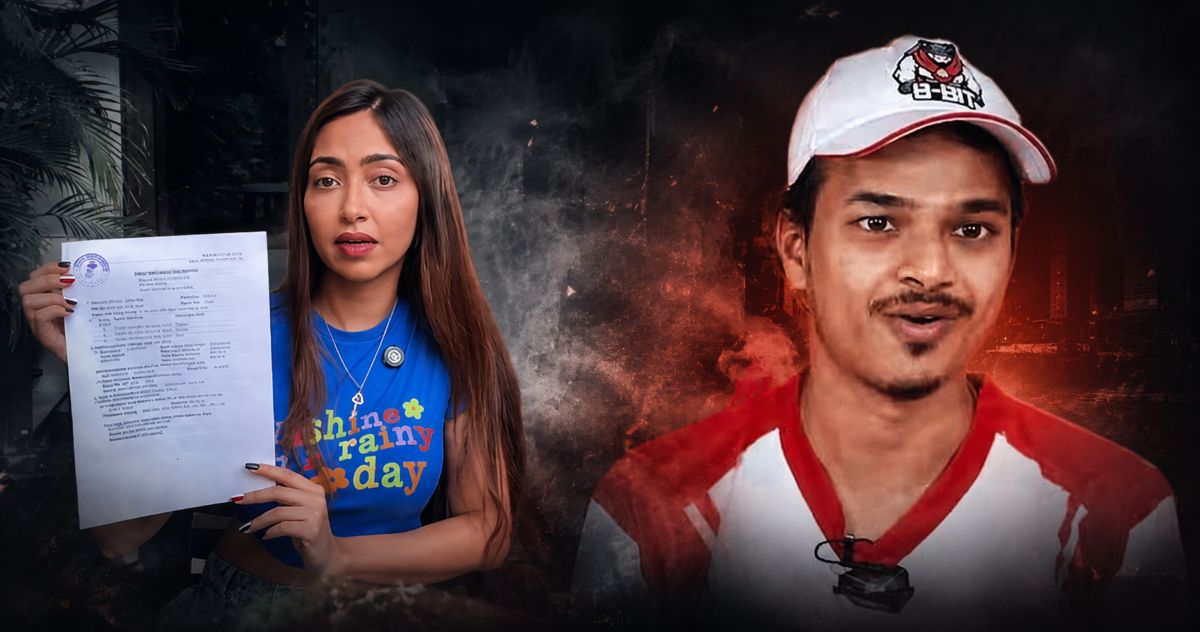
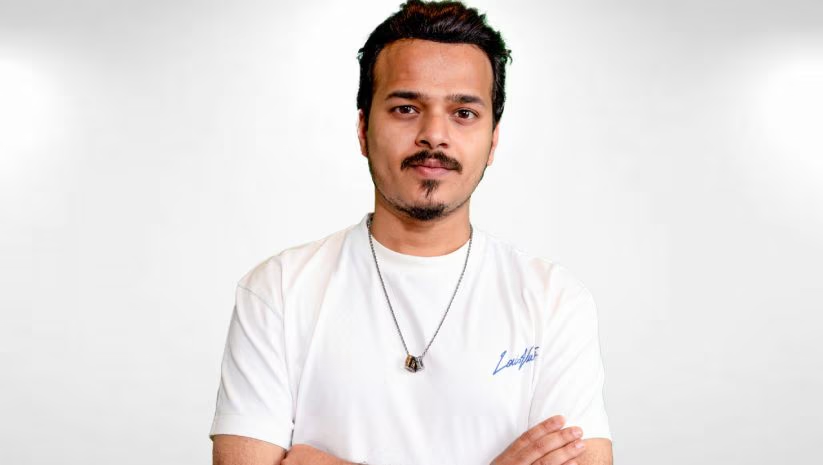
In a deeply personal and emotional video, gaming creator Kaashvi has publicly accused her former manager, 8bit Thug (Animesh Agarwal) Founder & CEO of 8Bit Creatives, Co-Founder of S8UL Esports, and Esports Personality of the Year 2025 of financial misconduct and a lack of transparency during their professional association. Her testimony has ignited conversations across India’s creator ecosystem, raising serious questions about accountability, ethical management practices, and the vulnerability of digital creators working under agencies and talent managers.
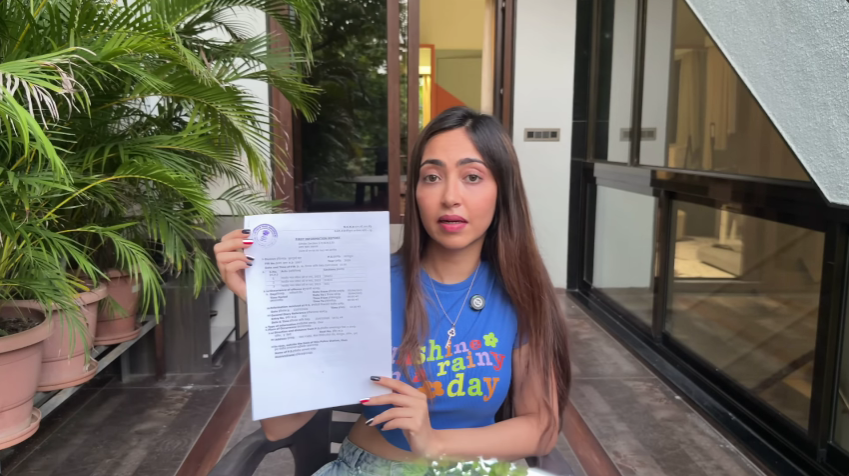
Speaking directly to her audience, Kaashvi described how years of trust, loyalty, and dedication ultimately resulted in what she alleges was a systematic financial scam that deprived her of earnings from brand collaborations.
From Corporate Career to Creator Economy
Kaashvi explained that she left a stable finance career in 2022 to pursue content creation professionally. After joining a gaming organization, she entered into a management arrangement where brand partnerships and sponsorships would be handled by the agency.
According to her, the agreement was straightforward: the agency would secure brand deals, retain an agreed commission, and transfer the remaining revenue to the creator. She said she fully trusted the management team and rarely questioned the financial details of sponsorships.
Beyond professional commitments, Kaashvi described herself as someone deeply invested in the community supporting fellow creators emotionally, mentoring newcomers, and even helping colleagues financially during difficult times.
Allegations of Hidden Payments and Misreported Brand Deals
The turning point, Kaashvi claims, came when she discovered discrepancies between the actual value of brand partnerships and the amounts disclosed to her.
According to her allegations, 8bit Thug repeatedly reported lower sponsorship values while allegedly retaining a significantly larger share of the payments than contractually agreed upon.
She stated that the alleged deception continued for an extended period because she had placed complete trust in her manager and never independently verified payment records with brands.
The alleged fraud only came to light after another industry professional shared information that allowed her to compare actual deal values with the amounts she had received.
“It wasn’t just about the money,” Kaashvi explained in her statement. “It was about the betrayal of someone I trusted.”
Months of Silence and Unanswered Questions
Following the discovery, Kaashvi said she attempted to resolve the matter privately.
She claimed she repeatedly requested financial documentation and clarification regarding sponsorship payments. However, according to her account, those requests were met with delays, evasive responses, and eventually complete silence.
Kaashvi further alleged that even formal legal notices and emails sent with legal counsel involved failed to produce meaningful responses.
She also stated that throughout this period she personally financed production costs for her content while waiting for payments she believed were rightfully owed.
Matter Reaches Law Enforcement
Unable to secure a resolution through direct communication, Kaashvi confirmed that she has filed a police complaint regarding the alleged financial misconduct.
She publicly thanked the Mumbai Police for responding promptly to her complaint and expressed confidence that the legal process would determine the facts of the case.
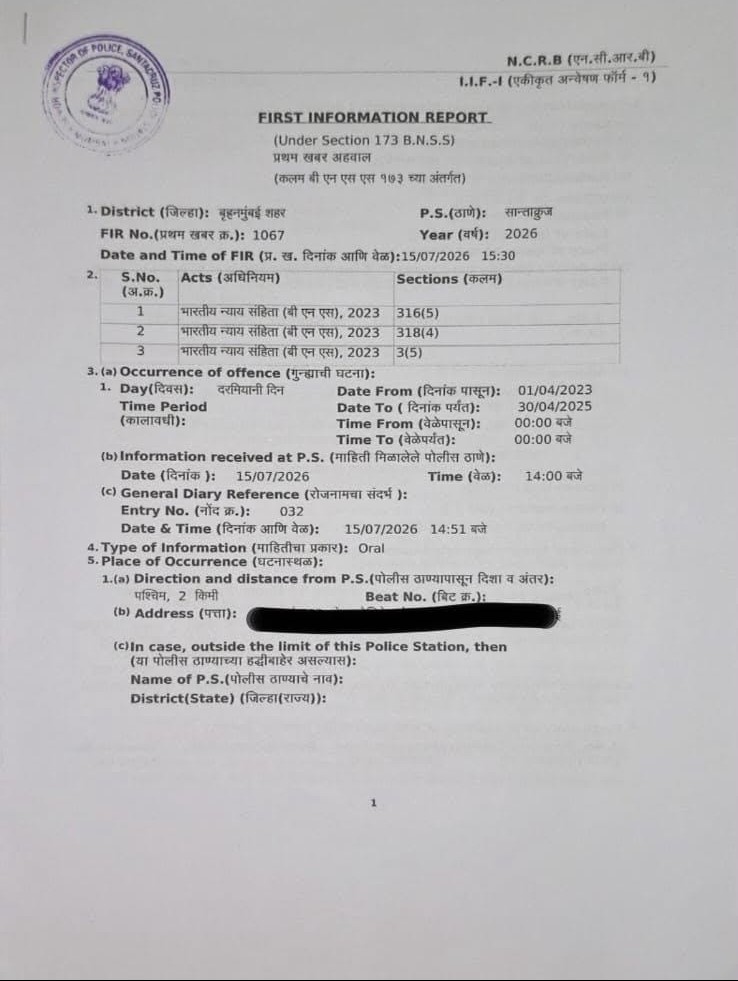
As of her statement, legal proceedings remain ongoing, and no judicial findings have been announced.
A Larger Conversation About Industry Accountability
Kaashvi’s allegations have reignited discussions about the structure of India’s rapidly expanding creator economy.
As influencer marketing continues to evolve into a multi-billion-dollar industry, experts have increasingly emphasized the importance of transparent financial reporting, standardized contracts, and ethical representation.
While talent managers play an essential role in negotiating partnerships and growing creators’ careers, industry observers argue that stronger accountability mechanisms are necessary to protect creators from potential financial abuse.
The Road Ahead
Kaashvi concluded her statement by reaffirming that her decision to speak publicly was motivated not by revenge but by a desire to protect others entering the creator industry.
She expressed hope that greater awareness would encourage creators to ask difficult questions, understand their contracts, and safeguard their earnings before problems arise.
Whether the allegations ultimately result in legal action or industry reforms, her testimony has already sparked an important conversation about trust, transparency, and professional ethics in the digital creator economy.
Editorial Note
The allegations described in this article are based on statements made publicly by Kaashvi in her video. At the time of writing, these remain allegations and have not been adjudicated by a court of law. 8bit Thug has the right to respond to these claims, and any legal conclusions will depend on the outcome of the ongoing investigation.